Manual and repetitive work
Skilled people spend their week rekeying, reconciling and chasing. Errors climb with volume, and the process cannot scale without hiring against it.
Intelligent automation & AI services · Australia
Most automation programmes stall because they start with solutions instead of the business problem. DecisionWorks starts with understanding how your business operates and identifying the opportunities for step change, then uses data and AI to build governed, production ready solutions that deliver true business growth.
The problem we solve
Five patterns show up in nearly every organisation that has tried automation and not seen the return. Recognise any of them, and the fix is rarely another tool.
Skilled people spend their week rekeying, reconciling and chasing. Errors climb with volume, and the process cannot scale without hiring against it.
Isolated pilots deliver a demo and a slide, then quietly decay. Nothing compounds, and the case for the next investment gets harder to make.
Nobody can point to where time, cost and rework actually accumulate, so prioritisation follows whoever argues loudest rather than the evidence.
Processes hold together until volume spikes, a key person leaves or an upstream system changes. Then every workaround surfaces at once.
AI and automation deployed without controls, lineage or an owner. Fine until a regulator, an auditor or a customer asks how the decision was made.
Services
Engagements can start anywhere on this list. Most clients begin with a short diagnostic, then scale into the areas where the evidence says the return is.
Map how work really happens, simplify it, then automate what genuinely deserves to be automated, with controls and monitoring in place from day one.
Read moreOutcomeLower cost to serve and less rework, with skilled capacity released back into revenue generating work instead of being absorbed by headcount growth.
Get the organisation genuinely ready to adopt AI: the data foundations, the guardrails, the skills and the operating rhythm that make adoption stick.
Read moreOutcomeFaster return on AI investment, fewer pilots abandoned before they pay back, and a workforce that can adopt new capability without creating new risk.
Connect CRM, real time customer decisioning and marketing automation so the right message reaches the right customer at the right moment, on whichever channel they are actually using.
Read moreOutcomeHigher revenue per customer through sharper cross sell and up sell, measurably lower churn, and marketing spend that converts instead of being tuned out.
Turn scattered and contested data into one trusted view, so commercial decisions are argued from evidence rather than from competing spreadsheets.
Read moreOutcomeFaster decisions at lower reporting cost, with one agreed set of numbers behind every commercial call and far less spend wasted reconciling versions of the truth.
The structures that decide whether any of the rest of it lasts: who owns what, how decisions get approved, how risk is held, and how the organisation is arranged to keep delivering once the programme closes.
Read moreOutcomeLower total cost of ownership and faster approval cycles, with regulatory exposure reduced and benefits still measurable twelve months after go live.
What clients say
Two recent engagements, in the clients' own words. Both are published as reviews on our Google Business Profile.
Fabian from DecisionWorks designed and built an AI powered content automation system that repurposes my existing YouTube videos into hundreds of short form clips and schedules them for daily posting across social media. The content promotes my YouTube channel and has helped increase my Instagram follower count fourfold. I am very impressed with his knowledge, experience & enthusiasm!!!
Instagram following up fourfold
Fabian at DecisionWorks built a professional website to promote my live music services to event organisers and venues. He optimised it for Google and AI powered search, helping generate more enquiries and gig bookings. He also automated my social media content, increasing my follower count by 40% in just a few weeks. He was easy to deal with and turned everything around really quickly
Following up 40% in weeks, more bookings
In the press
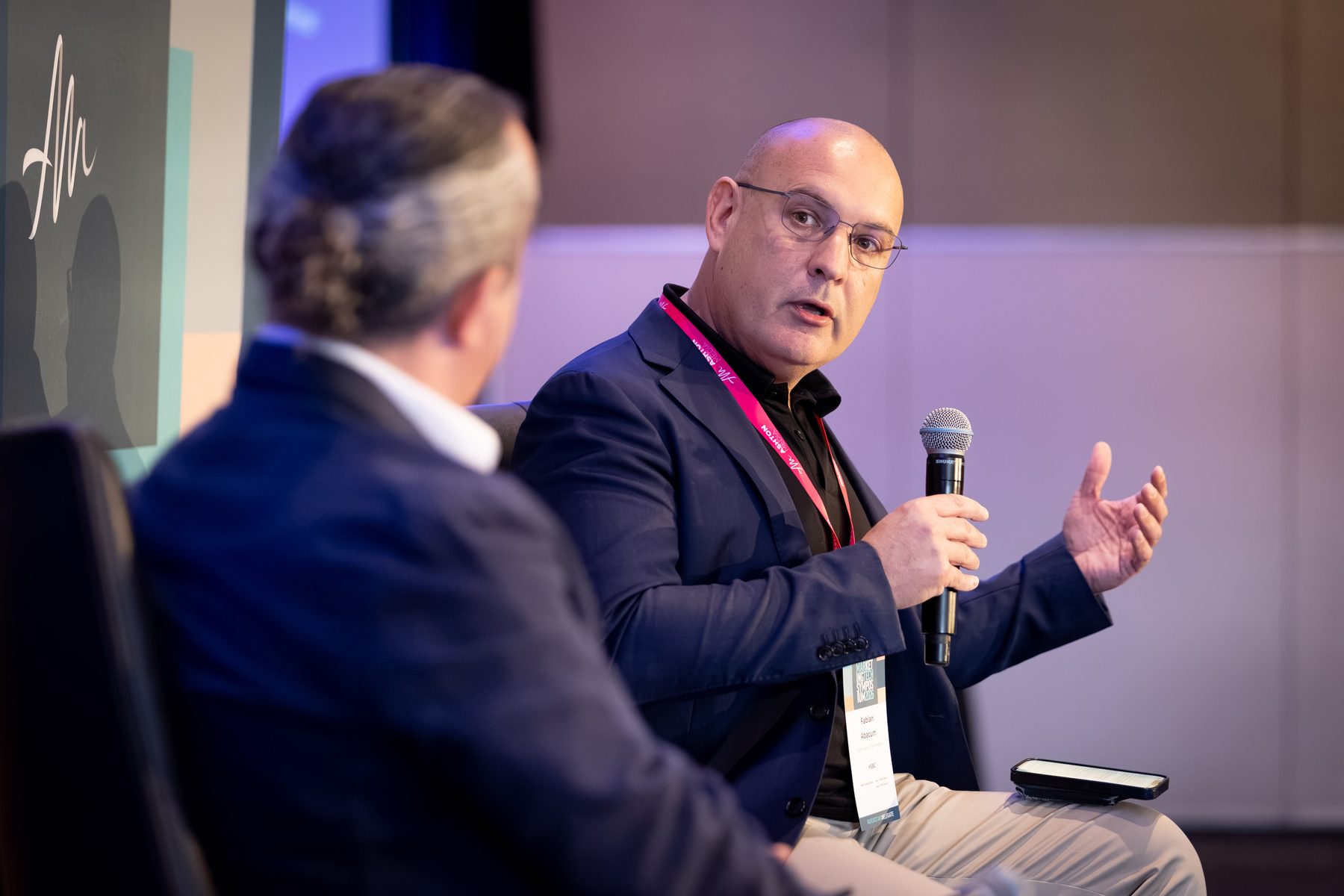
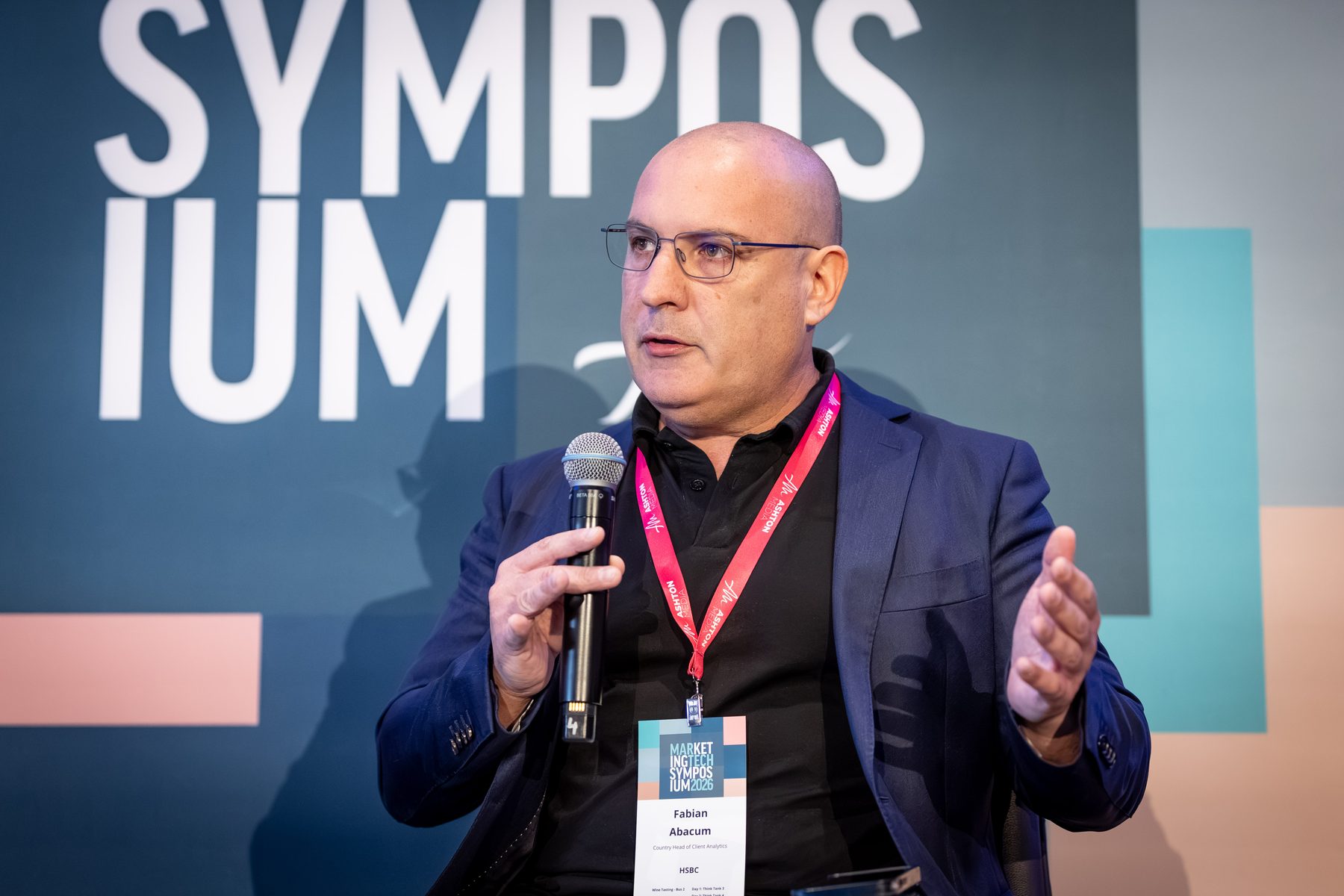
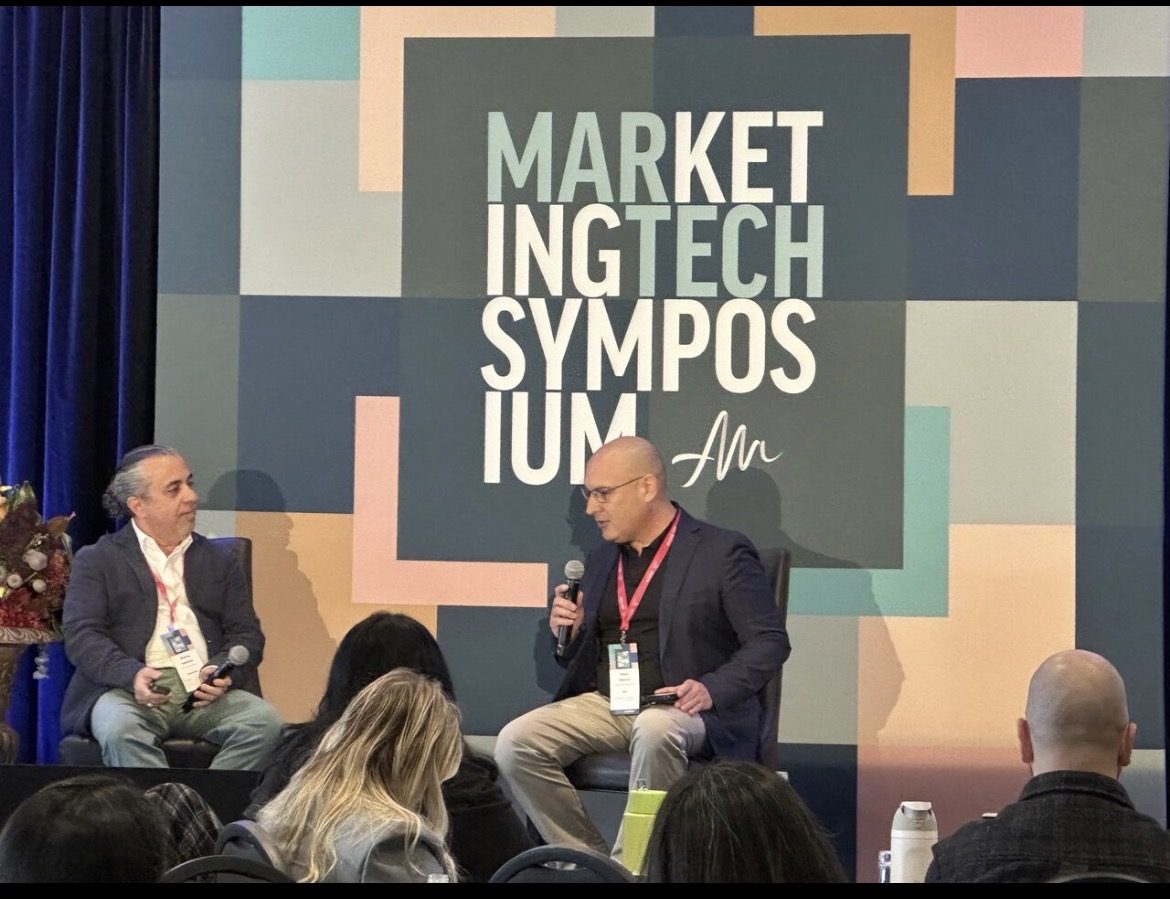
Speaking engagements, and trade coverage of the AI powered programmes Fabian led at HSBC Australia, including the Customer Decision Hub programme presented at PegaWorld 2018 and 2019.
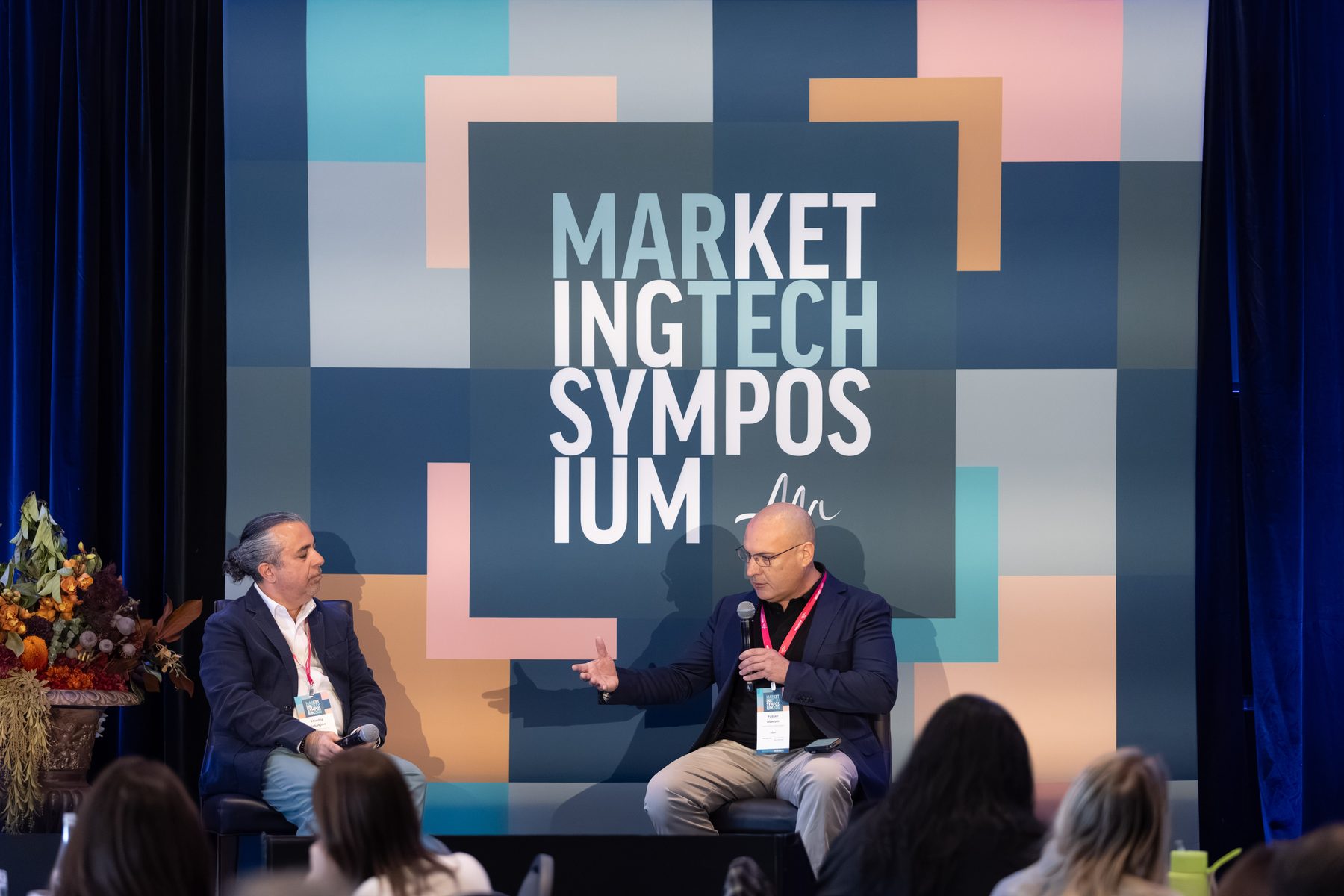
Presented · September 2026
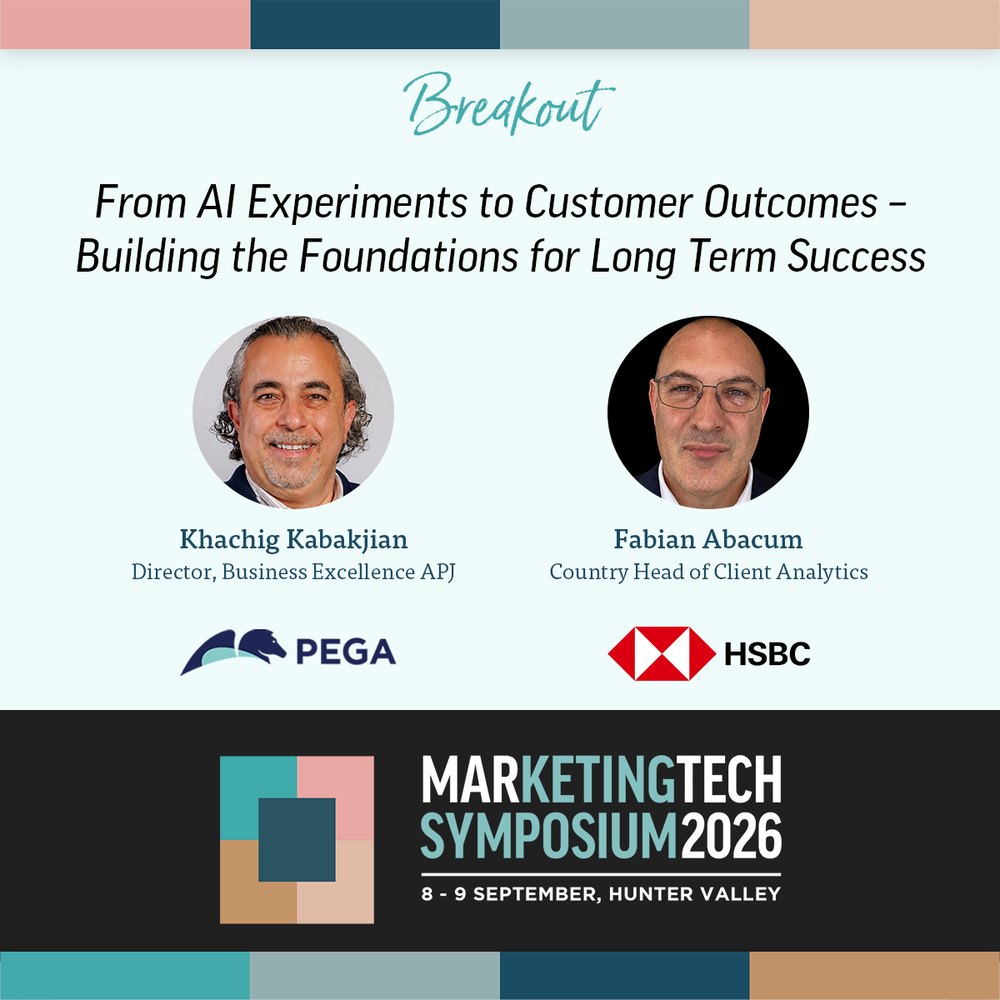
Customer expectations keep rising while marketing environments grow more complex. Success is not driven by AI alone. It rests on foundations: customer engagement, governance, operating models, orchestration and measurement. The session looked at how leading organisations use those capabilities to deliver relevant, trusted and measurable customer outcomes at scale, and at how agentic marketing operations are emerging as the next evolution. The technology may change. The foundations for delivering customer outcomes do not.
Co presented with Khachig Kabakjian, Director of Business Excellence APJ at Pegasystems. Fabian appeared in his capacity as Country Head of Client Analytics at HSBC.
View the agendaCoverage of the Customer Decision Hub programme presented at PegaWorld 2019. Traditional segmentation and campaigns had trained customers to ignore the bank, so the approach shifted to reading transaction signals and choosing the next best conversation across every channel. Quoted throughout as head of data, analytics and decisioning.
Read the article itnews August 2019On why context beats volume in customer contact. Constantly pushing offers without regard for a customer's circumstances simply trains them to ignore you.
Read the article itnews August 2019On how the major banks are rebuilding culture and customer engagement around personalisation and cross functional delivery, rather than broadcasting at customers.
Read the article itnews July 2018From the PegaWorld 2018 panel: how real time decisioning carried customers through an internet banking platform migration while satisfaction scores held steady, in markets where comparable migrations saw them fall.
Read the article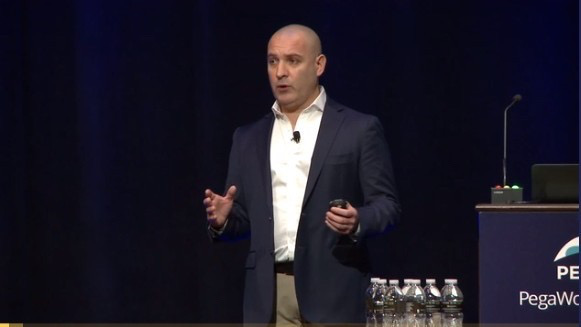 Add assets/fabian-speaking.jpg
The method
Many signals converge into one decision. That idea sits in our mark, and it is how we run every engagement: understand the work, prioritise on evidence, simplify before you build, then embed it so it survives contact with the business.
We map the end to end process as it is performed, not as it is documented, including the exceptions, the shadow spreadsheets and the handoffs nobody owns. That is where time, cost and risk accumulate.
Every candidate is scored on return, feasibility, risk and how far it scales. What survives is a shortlist you can fund and defend, plus an explicit list of what we deliberately chose not to automate.
Automating a broken process makes it fail faster and at greater volume. We simplify and remove steps first, so what gets built is smaller, cheaper to run and far less brittle.
We deploy with monitoring, controls and a named owner, then work with the team through the change. Benefits are tracked after go live, which is the only point at which they are real.
Why DecisionWorks
Plenty of people can build you an AI system. The harder part is standing behind it eighteen months later when a regulator, an auditor or a customer asks how the decision was made. That constraint shapes how we build from the first workshop.
Every engagement is tied to a commercial metric agreed up front: cost to serve, revenue per customer, cycle time, error rate. If we cannot name the metric, we do not start the build.
Built to be run: monitoring, alerting, documented lineage, a rollback path and a named owner. The handover is the deliverable, not an afterthought.
Ethics, transparency, bias testing and audit trails are designed in, not retrofitted, shaped by more than two decades delivering AI and analytics inside regulated environments.
What we build with you is reusable: patterns, standards and an operating model that take you from isolated experiments to enterprise adoption without starting over each time.
About
 Add assets/fabian-headshot.jpg
DecisionWorks was founded by Fabian Abacum in 2026. Fabian brings more than 20 years of experience commercialising data, analytics, AI and technology investments. His work spans AI powered customer decisioning, personalised customer engagement, MarTech & marketing automation, workflow automation, machine learning, advanced analytics, cloud data platforms, and operating models & governance; delivering growth while maintaining customer trust and responsible oversight.
Resources
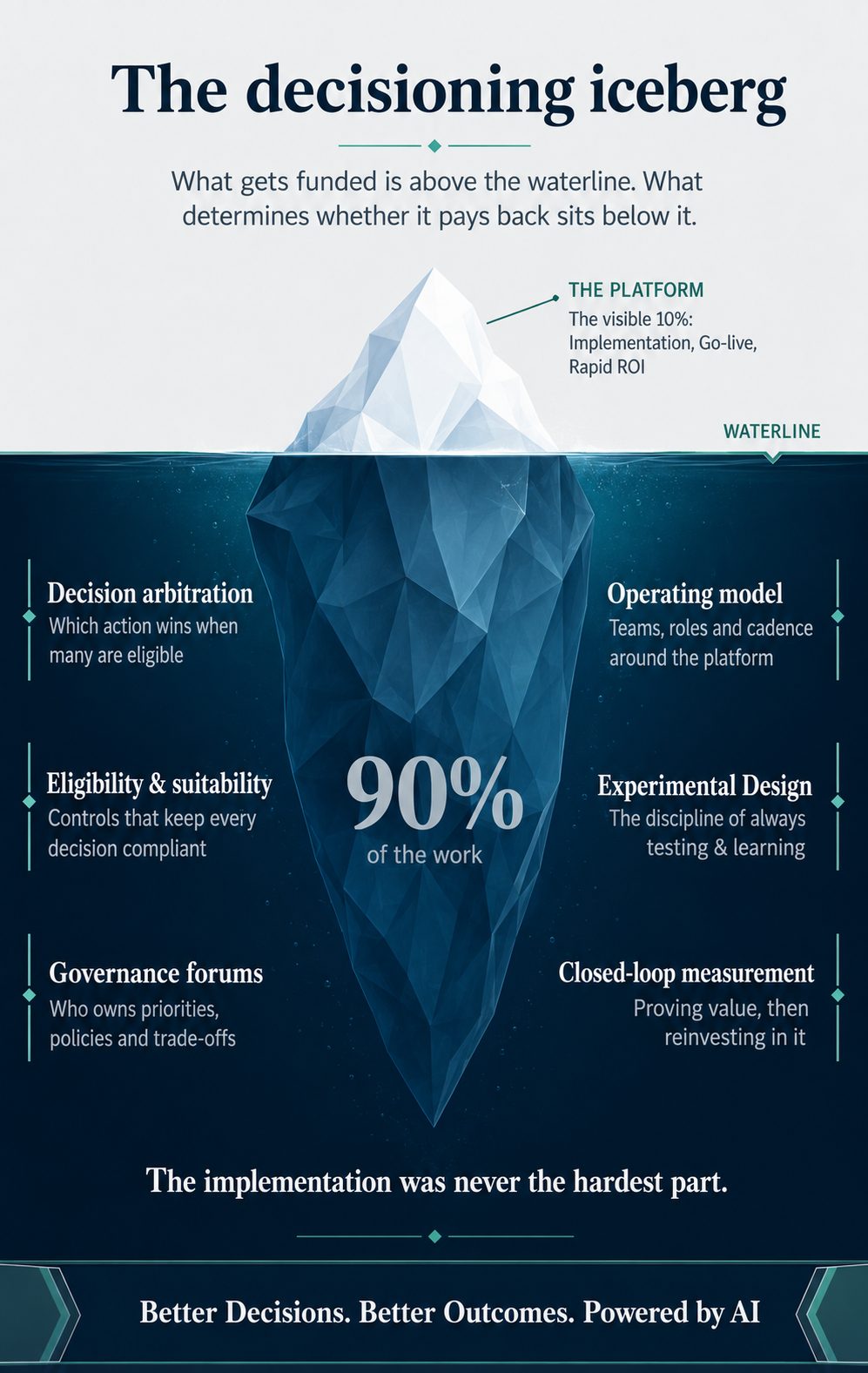
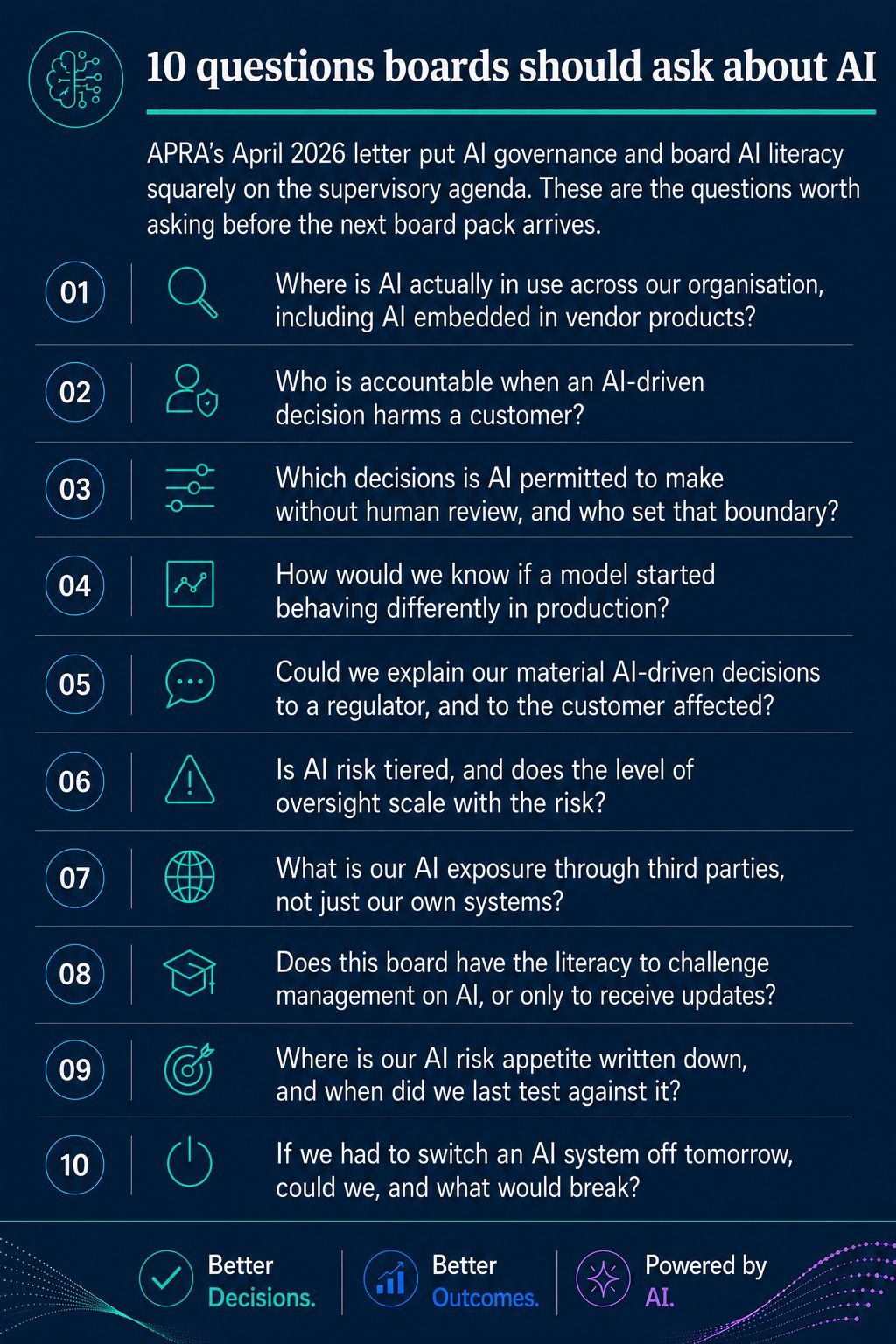
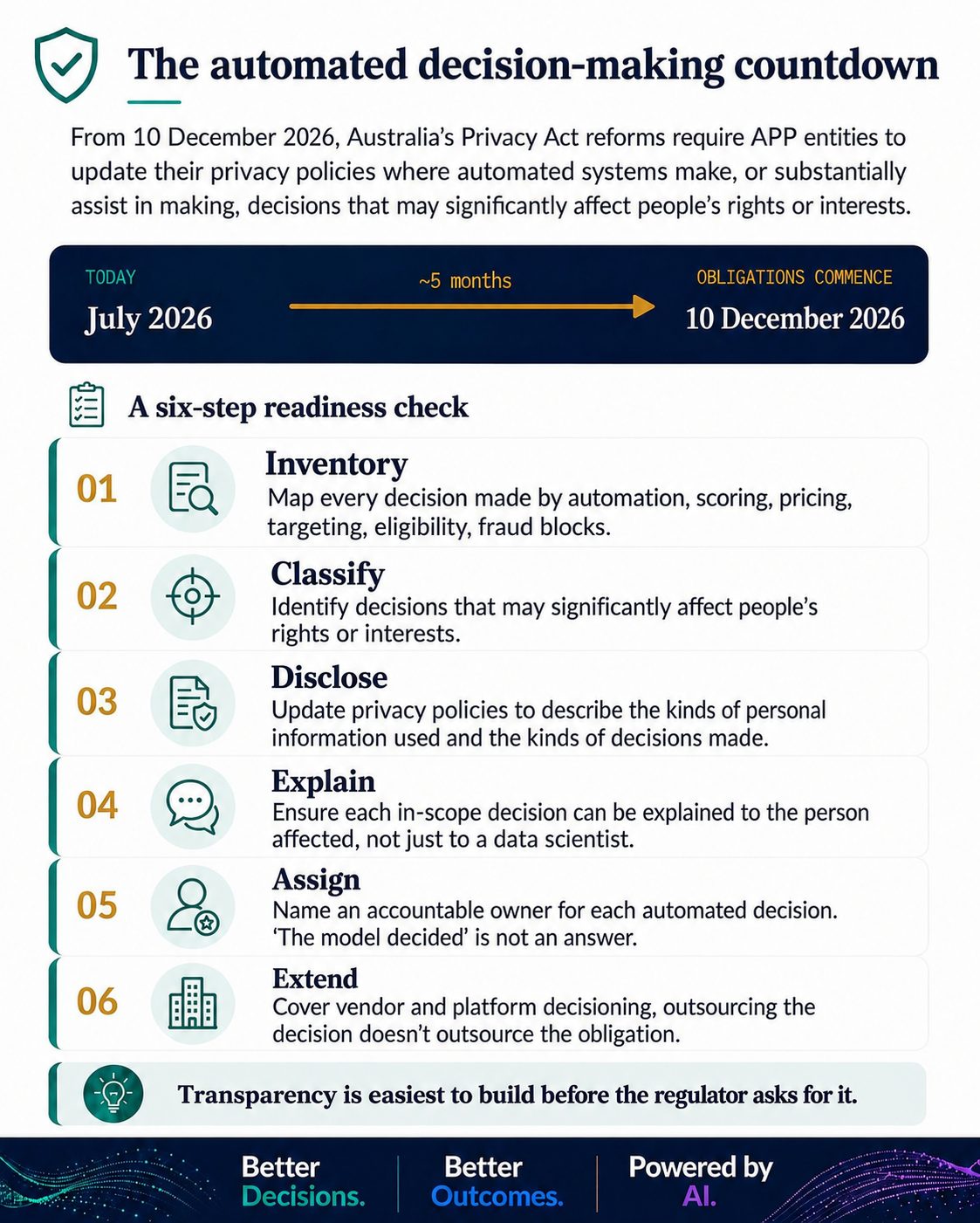
Australia specific one pagers on governing AI, choosing a platform and automating real work. No email required.
Common questions
With a short, fixed scope diagnostic, typically two to four weeks. We map the process end to end, quantify where time and cost accumulate, and come back with a prioritised shortlist and a business case per candidate. You can act on that with us or without us. There is no obligation to continue.
Both, and we prefer to do both. Advice that never gets implemented is expensive. We deliver working solutions, including models, automations, data platforms, CRM and marketing capability, with the monitoring and documentation needed to run them, and we hand them to a named owner in your team.
We are deliberately platform agnostic and work across the major cloud, data, CRM, marketing automation and AI stacks. Tool selection comes after the process and use case work, never before it. Choosing the platform first is the most common reason these programmes fail to return.
DecisionWorks is currently undergoing the required ISO 42001 work with the aim of being certified by end of 2026. All solutions delivered by DecisionWorks are aligned to ISO 42001 standards and will always ensure adherence to relevant regulatory regulations and guidance.
Documented data lineage, a written decision record for model choices, bias and fairness testing wherever decisions affect people, monitoring with alert thresholds, an escalation path, a rollback plan and a named accountable owner. If any of those are missing, the work is not finished.
For strategy, diagnostics, architecture and governance design, small is an advantage, because you get senior judgement directly. For large build phases we scope realistically and assemble a delivery team around the engagement. We will tell you plainly when a piece of work is better placed elsewhere.
Yes. We are based in Penrith, NSW and work with clients Australia wide, remotely and on site. Discovery workshops are usually most productive in person. The rest of the delivery generally is not.
Bring a process that frustrates you, a decision you cannot evidence, or an AI idea you are not sure is real. Thirty minutes, no pitch deck. You will leave with a straight read on whether it is worth doing.
Prefer to talk? Call 0412 993 318, write to fabian.abacum@decisionworks.com.au, or connect on LinkedIn.